
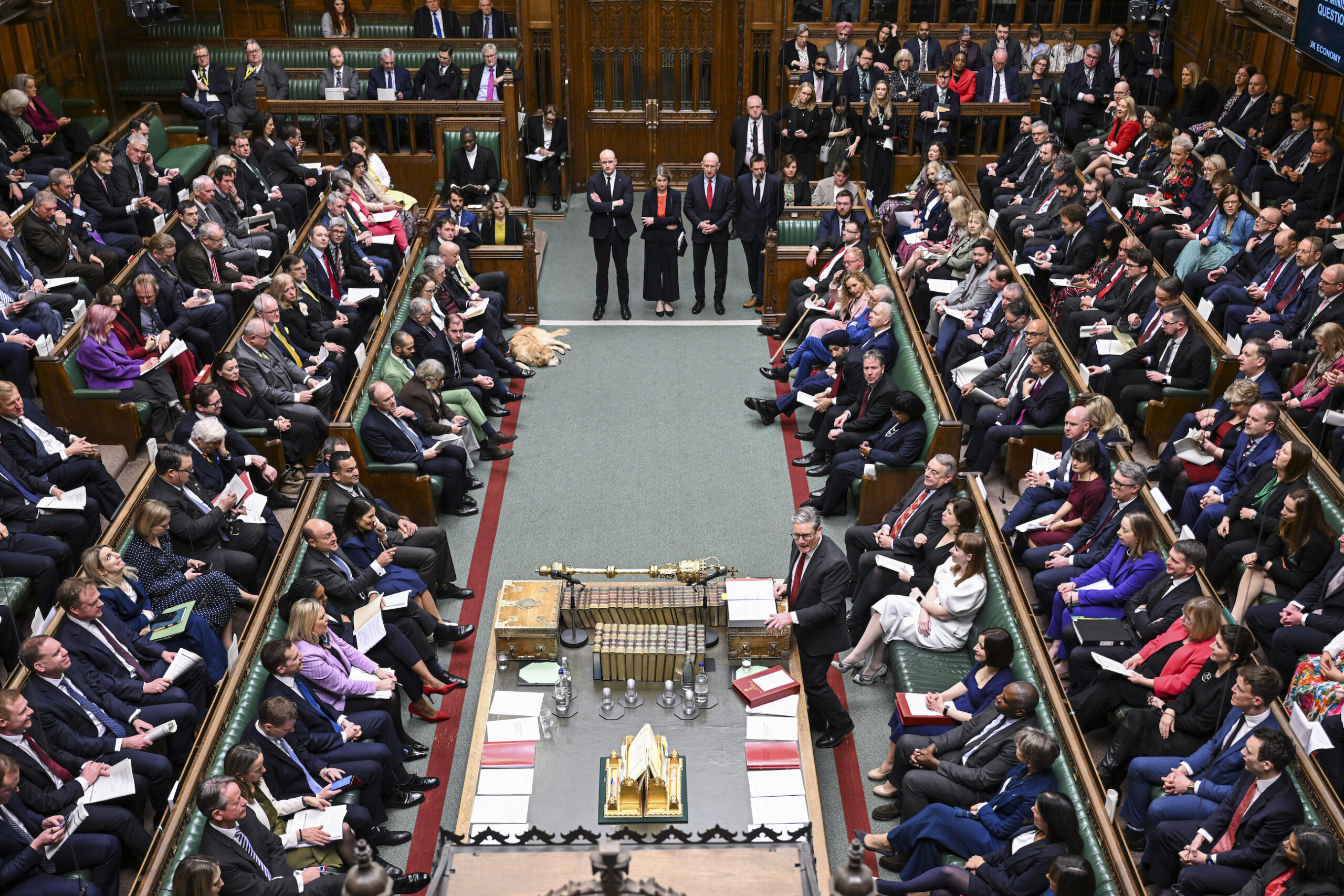

On 3 March 2026, Chancellor Rachel Reeves stood at the dispatch box to deliver a Spring Statement that was, by design, refreshingly uneventful. True to her commitment to keep major policy overhauls restricted to a single annual Autumn Budget, the Chancellor focused heavily on economic rescoping rather than pulling tax rabbits out of legislative hats.
For the UK contingent workforce, umbrella employers, and the recruitment supply chain, the lack of immediate, knee-jerk policy shifts provides a welcome window of predictability. However, as the Office for Budget Responsibility (OBR) updated its economic forecasts, the underlying message for the contracting sector is clear: stability does not mean stagnation. Navigating the quiet, incremental changes already in motion will require strategic focus and a steadfast commitment to compliance.
Here is what the Spring Statement 2026—and the wider regulatory landscape—means for contractors and businesses as we approach the new financial year.
The Economic Backdrop: Prudence Over Fireworks
The OBR updated its projections, revising the UK’s real GDP growth forecast for 2026 downward to 1.1% (down from the 1.4% predicted in its November 2025 report). This near-term downgrade reflects a softening labour market, lower net migration assumptions, and weaker business activity data trailing from the end of last year.
On a more positive note, inflation is projected to drop to 2.3% for 2026, with the OBR anticipating it will hit the Bank of England’s 2.0% target by the end of the year due to easing wholesale energy and food costs. However, the fiscal watchdog explicitly warned that these baseline figures do not factor in the late-February escalation of geopolitical conflict in the Middle East or impending global tariff decisions, both of which pose a prominent risk of reigniting inflationary pressures later in the year.
Crucially, the government highlighted that public sector borrowing came in approximately £18 billion lower than previously feared, giving the Treasury roughly £23.6 billion in fiscal headroom. While the Chancellor is choosing to bank this flexibility rather than spend it on immediate tax cuts, the broader fiscal drag remains the quiet elephant in the room.
The Reality of “Frozen” Years
With personal tax allowances, higher-rate thresholds, and National Insurance boundaries frozen solidly until 2031, more contractors will inevitably find themselves nudged into higher tax brackets as nominal wages rise. This makes accurate, fully compliant payroll administration more essential than ever.
Previously Scheduled Measures: The Real April Changes
Because the Spring Statement itself contained no new policy announcements, the focus firmly shifts to the significant compliance and structural changes previously legislated to take effect from April 2026.
| Tax / Regulation | Detail of Change (Effective April 2026) | Impact on the Contracting Sector |
| Dividend Tax Rates | Basic rate rises to 10.75%; Higher rate rises to 35.75%. | Directly impacts directors of limited companies (PSC contractors) extracting profits via dividends. |
| Capital Gains Tax (CGT) | Business Asset Disposal Relief (BADR) rate increases from 14% to 18%. | Raises the tax burden for contractors planning to wind up their limited companies. |
| Making Tax Digital (MTD) | Mandatory for self-employed individuals and landlords with income over £50,000. | Introduces strict digital record-keeping and quarterly submission requirements. |
| Statutory Sick Pay (SSP) | Reforms taking effect via the Employment Rights Act framework. | Increases the immediate administrative responsibilities for employers of record. |
Compliance and the Umbrella Sector: Moving Forward Safely
The absence of direct intervention in the contracting market during this statement underscores a broader reality: the government expects the sector to self-regulate through high-quality compliance frameworks. With HMRC continuing its stringent enforcement strategies against disguised remuneration and non-compliant payroll intermediaries, relying on trusted industry standards has never been more critical.
At ADVANCE, we remain heavily aligned with the strict standards set out by industry watchdogs like the FCSA and independently audited ecosystems like SafeRec. As regulatory scrutiny deepens—particularly around transparency in the supply chain and overarching worker rights—working with an automated, fully audited umbrella company ensures that both recruiters and hiring clients are completely insulated from financial and reputational risk.
A Note on Supply Chain Risk: With the upcoming roll-out of electronic VAT invoicing expectations and tighter data sharing between government entities, businesses using contingent labour must audit their Preferred Supplier Lists (PSLs) proactively. A single weak link can trigger severe liabilities under existing Intermediary Legislation and Criminal Finances Acts.
The Forward Look: Preparing for the Autumn
If the Spring Statement 2026 was a masterclass in holding the line, it also sets the stage for a much more substantive Autumn Budget later this year. Government spending commitments on infrastructure, defence, and public services mean that long-term fiscal pressures remain.
For contractors, the advice is simple: make the most of the current predictability. Review your corporate structures, ensure your payroll solutions are visibly compliant, and protect your margins against the steady creep of fiscal drag.
At ADVANCE, we deliver fully transparent, auditable payroll and compliance solutions designed to keep your business steady, no matter what the Chancellor decides to do next. To find out how we can assist your recruitment business or contracting career, get in touch with our expert team today.