
Key Information Documents (KID)

What is a Key Information Document (KID)?

Introduced under the Conduct of Employment Agencies and Employment Businesses Regulations 2003, and mandatory since April 2020, a KID is a short, simple document (usually no more than two pages) that recruitment agencies must provide to work-seekers before terms are agreed.

Its purpose is to provide a clear, “apples-to-apples” comparison of how different engagement models affect your take-home pay.

5 Things a KID Must Include

All Key Information documents needs to be clear, easy to read and understand, and they must all feature the following: 

ADVANCE Contract Icon

The Basics

This includes the name of the employment business, the type of contract, and who will pay you.
ADVANCE Payslip Icon

Minimum Pay

The lowest rate of pay you can expect (e.g., National Minimum Wage)

Deductions

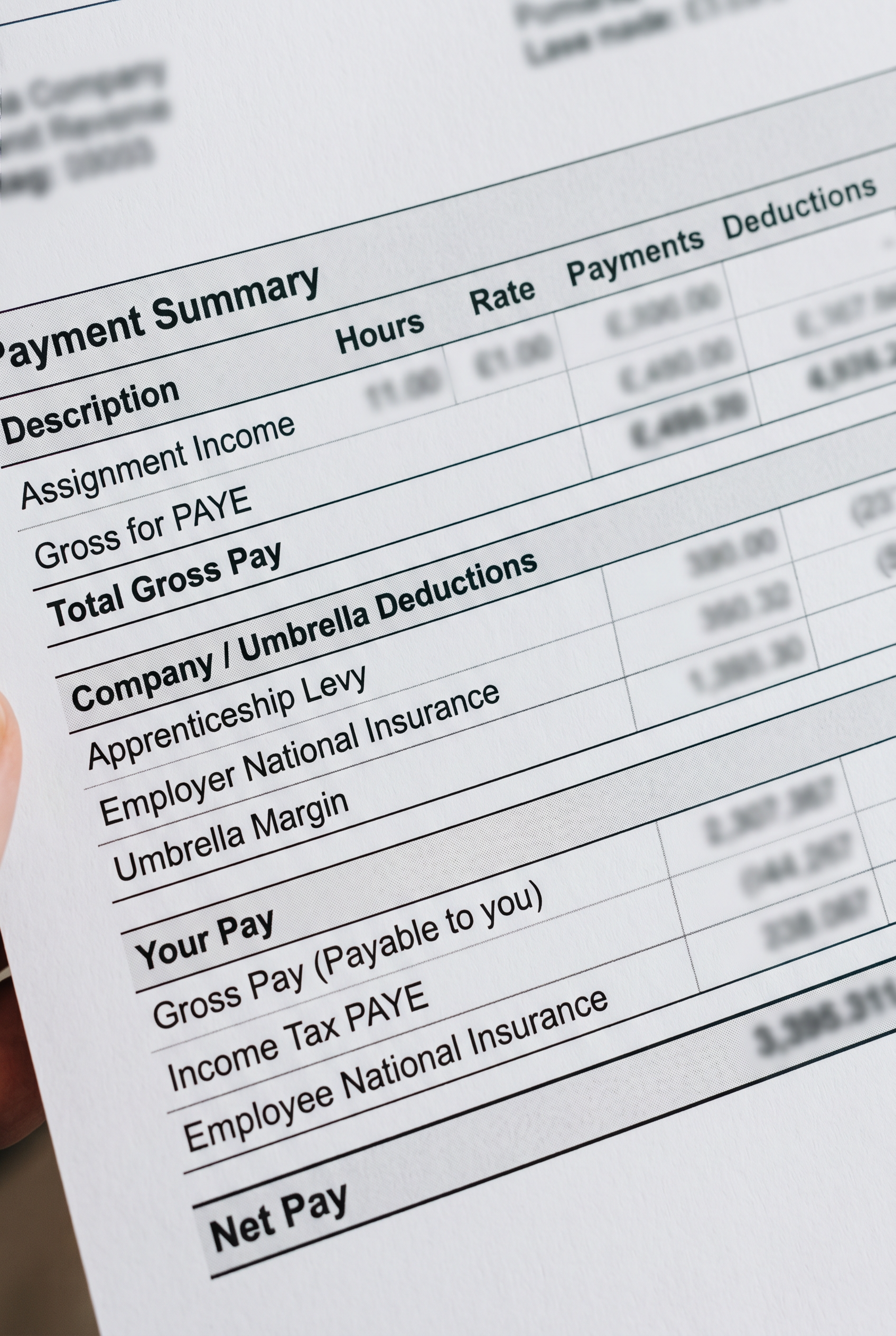
A list of all statutory deductions (Tax, National Insurance) and non-statutory deductions (such as an umbrella company’s margin)

ADVANCE Holiday Icon

Holiday Accrued and Pay

Details of the annual leave you have accrued along with any holiday taken the pay your received for that time-off.

ADVANCE Kid Doc Icon

An Illustrative Example

A working illustration showing how a sample assignment rate (e.g. £200 per day) is broken down and how that that translates into net take-home pay.

A woman smiling on the sofa while looking at a key information document and holding a cup of coffee

How To Use A KID

While the Government standardises the KID format, the service behind it varies. When reviewing your KID be sure to check:

ADVANCE Payment or Money Icon

The Margin

ADVANCE highlights the margin retained, offering you a greater level of transparency as well as provide greater clarity for you, so you can understand your pay.

ADVANCE Calendar Icon

The Frequency

Your KID must clearly break down the frequency of your payments.

ADVANCE Rewords Icon

The Benefits

Your KID should breakdown all benefits that you have agreed to and any additional costs that might entail, as these will be deducted from your pay and shown on your payslip. For example, ADVANCE Rewards would be shown as an agreed additional deduction on your KID.

Added Security

FCSA Accreditation

The Freelancer & Contractor Services Association (FCSA) is the UK’s leading professional body. Choosing ADVANCE, an FCSA-accredited umbrella company, ensures that the figures on your KID are calculated using HMRC-compliant methods, providing you with a “gold standard” of reliability.

SafeRec: Payslip Auditing

SafeRec provides auditing of payslips. When you receive a KID from a SafeRec-certified umbrella, you have the added peace of mind that your future payslips will be cross-referenced against your KID to ensure no “hidden” deductions are being made.

Frequently Asked Questions

Got questions? We are here to help.

Here are a few of our most frequently asked questions. 

What is the difference between a KID and a standard payment illustration or quote?

A KID is a mandatory, legal document required under Regulation 13A of the Conduct of Employment Agencies and Employment Businesses Regulations 2003. While a payment illustration provides an unofficial, high-level estimate of earnings based on a specific scenario, a KID follows a strictly standardized template mandated by the Employment Agency Standards (EAS) Inspectorate. It outlines the specific legal framework of the engagement, the statutory mechanics of the supply chain, and explicit details on how the gross “company income” (the assignment rate paid by your agency) cascades down to the contractor’s gross and net PAYE earnings.

Holiday pay formatting within temporary recruitment is heavily scrutinized by ACAS and GOV.UK. When drafting or reviewing a Key Information Document for umbrella assignments, the document must explicitly clarify how holiday entitlement is handled so the worker faces no hidden surprises.

There are two primary methods used by compliant payroll providers, and both require transparency:

  • Accrued Holiday Pay: The umbrella company retains a proportion of the company income (typically 12.07%) in a separate holiday fund. This is released to the contractor when they take time off.

  • Advanced Holiday Pay: The holiday pay allowance is paid out on top of the worker’s gross pay during every single pay cycle.

To ensure your recruitment agency remains aligned with FCSA codes of compliance, your KID must state which method is being utilised. It must explicitly show the holiday pay provision as an employment cost deducted from the assignment rate, preventing candidates from mistakenly believing their holiday allowance is being deducted directly from their agreed gross taxable pay.

The Minimum Contracting Rate (MCR) is a critical baseline calculation used by compliant umbrella platforms to ensure that an assignment rate is high enough to cover all legal obligations without underpaying the contractor. Under UK employment law and GOV.UK guidance, all employers must pay workers at least the prevailing National Living Wage (NLW) or National Minimum Wage (NMW).

Yes, a Key Information Document must still be issued by your recruitment agency if a worker is engaged via a Professional Employer Organisation (PEO) model rather than a traditional umbrella model. However, the structure of the financial information displayed on that PEO KID will look fundamentally different.

Catch Up On The Latest News

Register Today

Scan the code